

Ceramic CoatingPaint Protection Film
When you think of things that damage your vehicle’s paint, you might think of shopping cart dings in the grocery store parking lot or even collisions with other cars. What actually causes paint damage more often is far less dramatic. Keep reading to learn about the everyday risks most drivers are ignoring!
Sun and UV Exposure
As much as we love a nice warm summer’s day, our vehicles don’t. Constant sunlight is actually one of the major causes of vehicle paint damage! The UV rays break down the clear coat, causing peeling and fading of the color. It can also result in oxidation, which causes that chalky, dull look.
No car or color is immune to this damage, but darker cars do tend to show sun-related damage faster than light-colored ones.
Road Salt and Grime
Whether you live in Maryland or another state, your vehicle will encounter its fair share of road salt and grime. It’s particularly common during winter when liquid salt brine is applied to roads to make them safer to drive on.
While creating safer driving conditions, the salt, slush, and general grime can lead to rust and corrosion of suspension and brake systems. It also wreaks havoc on vehicle paint. When not cleaned away often, the salt combined with moisture speeds up metal oxidation, causing rust, paint bubbling, and fading.
Bird Droppings
A bird using your vehicle as a bathroom may not seem like a big deal, but it can be. Bird droppings are acidic because they contain uric acid, which is corrosive.
When left sitting, the droppings can etch into the clear coat within a matter of hours and even leave permanent marks!
Tree Sap and Pollen
Parking under trees is a great way to protect your vehicle from UV rays while also keeping the cabin cool for when you return. But what you’re really doing is replacing one risk with another. Just as the sun can damage paint, so can tree sap and pollen.
Tree sap hardens and bonds to paint, making it quite risky to remove without causing damage. Additionally, pollen can be acidic and abrasive, which means it can cause damage when wiped dry.
Bug Splatter
Bug splatter on your car isn’t just messy; it’s damaging. The insects are both sticky and acidic, and they can bake onto your vehicle’s paint in the sun. If not cleaned away promptly, they can etch the paint’s surface.
Improper Washing
It’s easy to assume that there’s no ‘right’ or ‘wrong’ way to wash a car, as long as it’s cleaned. However, some methods are certainly more damaging than others.
For example, using a dirty sponge or cloth can cause swirl marks that are hard to remove or permanent. Automatic car washes with brushes can cause micro-scratches. Even something as innocent as using dish soap when you’ve run out of car wash products can be damaging, since it has the potential to strip away any protective wax coating in place.
Dust, Dirt, and Sand
You clean dust, dirt, and sand from your vehicle because it doesn’t look nice. But there’s another reason why thorough cleaning is important. These abrasive materials can cause fine scratches over time. They can also act like sandpaper when you wipe them away incorrectly.
So, How Do You Protect Your Car’s Paint?
It seems as though everything you encounter while driving is trying to damage your paint. The good news is that a few straightforward actions can make all the difference.
Wash Your Vehicle Properly
Washing your vehicle properly is one of the simplest ways to protect its paint. Whenever there is dust, debris, sap, bug splatter, or other debris, you should strive to clean it away as soon as possible.
Most automotive experts recommend the two-bucket wash method. This involves dipping your microfiber mitt, cloth, or sponge into a bucket of soapy water, washing a section of your car, and rinsing it in a bucket of plain water. This prevents dirt from being reapplied to your vehicle and potentially causing fine scratches.
Avoid Parking in the Sun Long-Term
Because UV rays are among the most common causes of vehicle paint damage, it makes sense to avoid them as much as possible. If you have a garage, park your vehicle inside it whenever possible. If you’ll be parking your vehicle for long periods, invest in a breathable car cover to protect it from sunlight and heat.
Apply Paint Protection Film (PPF)
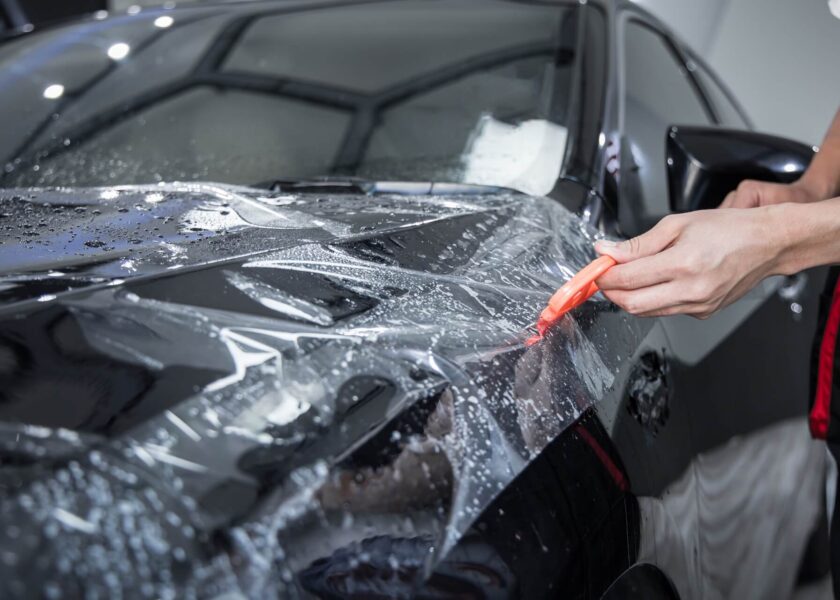
Easily one of the best ways to protect your vehicle’s paint is by visiting a trusted installer for paint protection film (PPF). PPF is a transparent urethane layer that functions as a shield for your paint. It protects it from scratches, abrasions, road debris, rock chips, and so much more. Many advanced films on the market are even self-healing, which means they heal from light scratches with heat from hot water or the sun.
Rather than worrying about your vehicle’s paint every time you drive your car, you can hit the road with confidence, knowing there’s a layer of protection on your paint to protect it for years to come.
Invest in Ceramic Coating
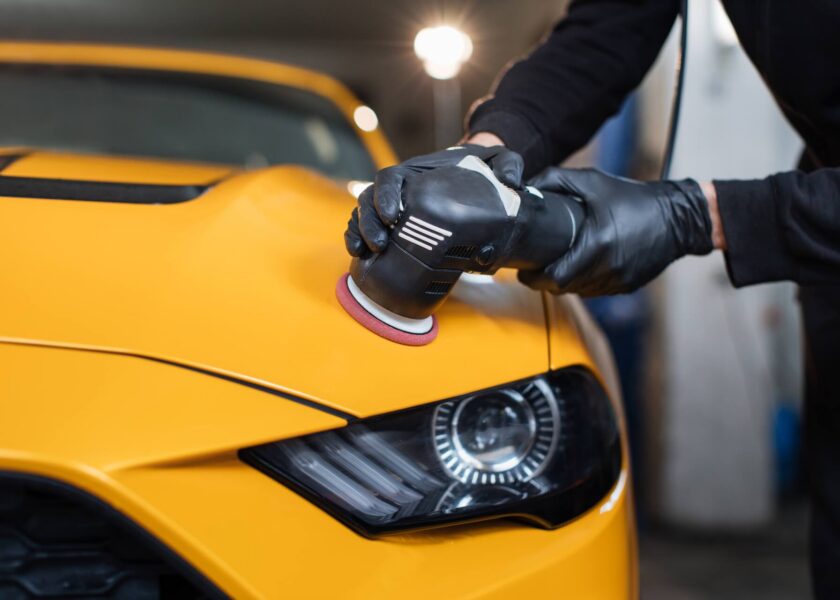
Alongside PPF, you can also protect your vehicle’s paint with ceramic coating. Ceramic coating is a semi-permanent coating that protects vehicle paint from environmental damage like UV rays. Its glossy finish also makes it easier to clean away contaminants like bird droppings, tree sap, and dirt.
Many people invest in PPF to protect against scratches, followed by ceramic coating as an additional layer of protection against environmental hazards.
Learn More About Vehicle Paint Protection from Ghostwerkz in Baltimore, MD
Knowing that paint damage can cost thousands of dollars to repair, it makes sense to understand the most common risks and how to eliminate them. Contact the expert automotive technicians at Ghostwerkz to learn more about our paint protection services: PPF and ceramic coating.
We can talk you through the benefits, help you understand the process, and provide a stress-free paint protection service from start to finish! Contact us today to learn more.